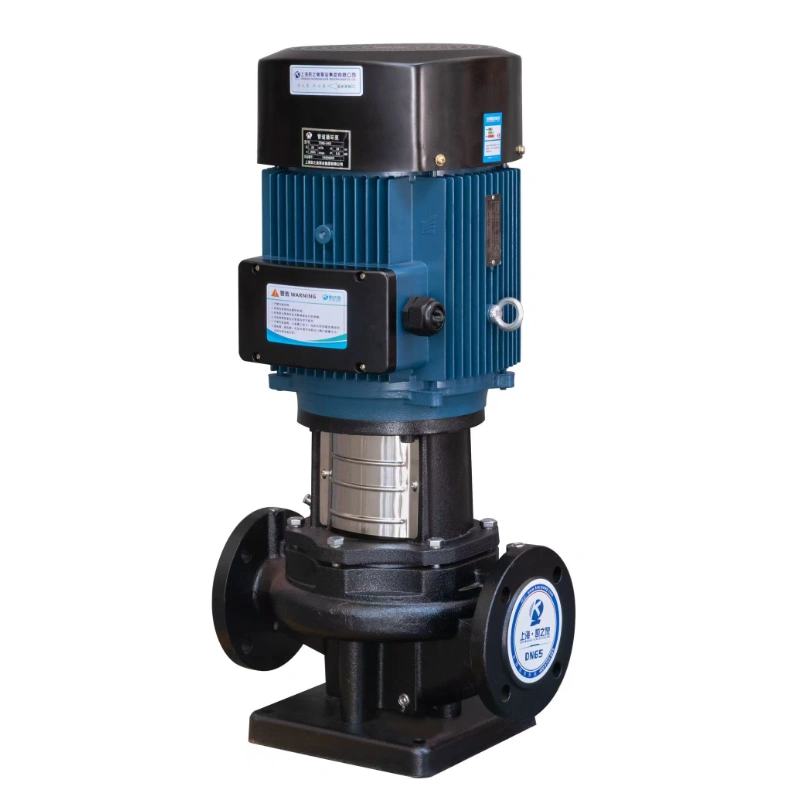






Sewage Pump Types
Release time: 2026-07-24
Table of Contents
When we think about the complex infrastructure that keeps our modern homes and commercial buildings functional, clean, and safe, plumbing is often at the top of the list. However, while gravity does an excellent job of moving water and waste downwards, what happens when your plumbing fixtures are located below the main sewer line or septic tank? This is where the unsung heroes of sanitation come into play. Understanding the different sewage pump types is absolutely essential for anyone looking to install a new bathroom in a basement, upgrade a commercial facility, or replace a failing system.
In the realm of modern sanitation and environmental safety, effective wastewater management is not just a luxury; it is a strict requirement. Choosing the wrong pump can lead to catastrophic system failures, property damage, health hazards, and expensive emergency repairs. This comprehensive guide will walk you through everything you need to know about sewage pumps, the various types available on the market, how they operate, and how to select the perfect one for your specific application.
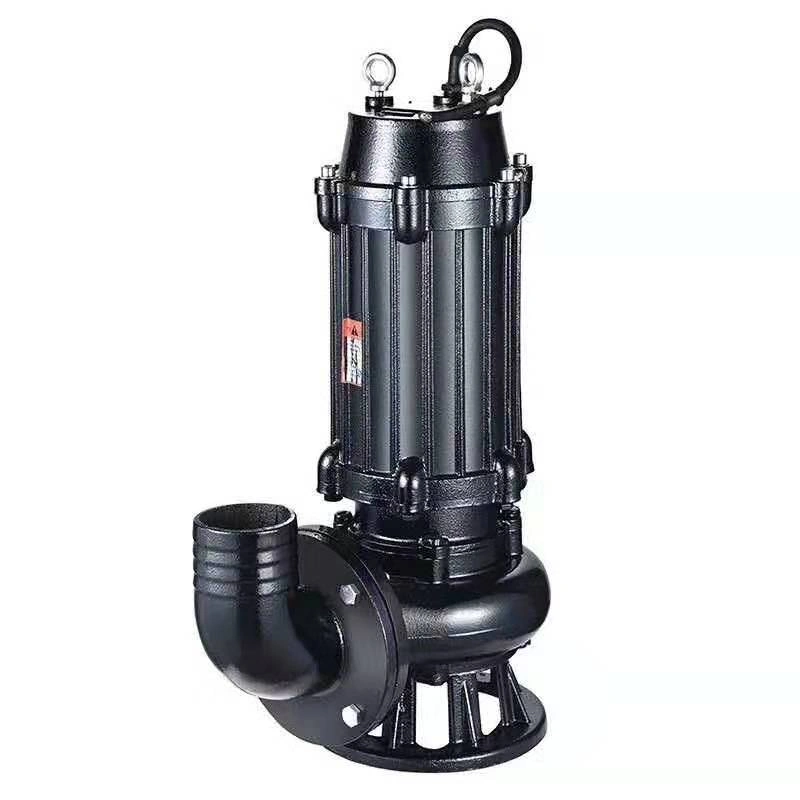
What is a Sewage Pump?
At its core, a sewage pump is a specialized mechanical device designed to transfer liquids and solid waste from one location to another. Typically, this involves moving sewage from a collection basin (usually located in a basement or underground) up to a higher elevation where it can join the municipal sewer main or flow into a private septic system.
Unlike standard water pumps, which are designed exclusively for clear liquids, sewage pumps are engineered with heavy-duty impellers and wide volutes (the casing that receives the fluid being pumped by the impeller). This unique design allows them to pass solid materials without clogging. The ability to move raw, unscreened sewage is what separates these robust machines from other types of household water removal systems.
The Critical Importance of Proper Pump Selection
Installing a plumbing system in a location that lacks natural gravity flow requires careful planning. If you install a pump that is too small, it will run constantly, overheat, and eventually burn out prematurely. If you install a pump that lacks the proper solid-handling capabilities, you will be plagued by constant clogs and jams. Furthermore, using the wrong type of pump can void warranties and violate local building codes.
To avoid these costly pitfalls, it is crucial to understand the distinct categories of pumps available. Each type is engineered for a specific kind of waste, a specific volume of liquid, and a specific distance it must push the material.
Detailed Breakdown of Sewage Pump Types
While there are many variations and brands on the market, almost all sewage pumps fall into one of three primary categories. Understanding the mechanical differences between them is the first step in making an informed purchase.
1. The Submersible Sewage Pump
The submersible sewage pump is arguably the most common type used in residential and light commercial applications. As the name suggests, this pump is designed to be completely submerged in the wastewater basin.
How it Works:
These pumps are housed in heavy-duty, waterproof casings—usually made of cast iron or high-grade thermoplastic. The motor is sealed entirely to prevent water ingress. Because the pump is submerged, the surrounding wastewater acts as a natural cooling agent, preventing the motor from overheating during extended periods of operation. When wastewater in the basin reaches a certain level, a float switch activates the pump, which then draws the waste through an intake grate at the bottom and forces it up through the discharge pipe.
Key Characteristics:
- Solid Handling: Standard models are typically designed to pass spherical solids up to 2 inches in diameter.
- Noise Level: Because they operate underwater and underground, they are virtually silent, making them ideal for residential basements.
- Lifespan: The submerged nature protects the motor, often leading to a longer operational lifespan if properly maintained.
Best For: Standard residential basement bathrooms, laundry rooms, and moving raw sewage short to medium distances to a municipal sewer line.
2. The Effluent Pump
People often confuse sewage pumps with effluent pumps, but they serve different purposes in the waste disposal ecosystem. An effluent pump is specifically designed to handle “greywater” or the clarified liquid that exits a septic tank.
How it Works:
In a typical septic system, solid waste settles at the bottom of the tank, and lighter materials float to the top. The relatively clear liquid in the middle is known as effluent. This liquid must be pumped to a leach field or drain field for final filtration into the soil. Effluent pumps are highly efficient at moving this liquid.
Key Characteristics:
- Solid Handling: Unlike raw sewage pumps, effluent pumps are not designed for large solids. They generally only pass solids up to 3/4 inch or 1/2 inch in diameter.
- Pressure and Head: Because they don’t have to pass large solids, their impellers are designed differently, allowing them to pump liquid at higher pressures and to higher elevations (greater “head”) than standard sewage pumps.
- Efficiency: They are highly efficient when used in their proper application.
Best For: Pumping greywater from a septic tank to a drain field, mound system, or taking waste from a laundry machine where large human waste solids are not present.
3. The Grinder Pump
When you are dealing with challenging topographies, long distances, or small-diameter pipes, standard pumps simply won’t cut it. This is where the heavy-duty power of a grinder pump is required.
How it Works:
A grinder pump operates similarly to a kitchen garbage disposal. Before the waste is passed into the impeller to be pumped upward, it is forced through a powerful, rotating cutting mechanism (usually made of hardened stainless steel). This cutting ring macerates raw sewage, toilet paper, and other flushable solids into a fine slurry.
Key Characteristics:
- High Pressure: Because the waste is reduced to a liquid slurry, it can be pumped through much smaller pipes (often 1.25 to 1.5 inches in diameter) under very high pressure.
- Distance: They are capable of pushing waste over long horizontal distances and high vertical elevations.
- Cost: Due to the complex cutting mechanisms and powerful motors, they are significantly more expensive than standard pumps.
Best For: Pumping waste uphill to a municipal sewer main, commercial facilities, properties located far from the main sewer line, and situations requiring pressurized sewer systems.
Comparison: Choosing Your Sewage Pump
To help clarify the distinctions between these essential devices, consult the comparison table below. This provides a quick reference guide to ensure you match the pump to your specific plumbing scenario.
| Feature | Standard Submersible Pump | Effluent Pump | Grinder Pump |
| Primary Material Handled | Raw sewage & blackwater | Greywater & clarified septic liquid | Raw sewage, blackwater, tough solids |
| Maximum Solid Size | Up to 2 inches | Up to 3/4 inch | Macerates solids into a slurry |
| Typical Discharge Pipe Size | 2 inches or larger | 1.5 to 2 inches | 1.25 to 1.5 inches |
| Pumping Distance/Elevation | Low to Medium | Medium to High | Very High |
| Relative Cost | Moderate | Moderate | High |
| Common Application | Basement bathrooms to main sewer | Septic tank to leach field | Pumping uphill to city sewer |
| Risk of Clogging | Medium (if improper items flushed) | High (if raw sewage is introduced) | Low (due to cutting mechanism) |
Key Factors to Consider When Buying
Selecting the right category is only the first step. Once you have determined whether you need a standard, effluent, or grinder model, you must evaluate the technical specifications to ensure optimal performance.
1. Horsepower (HP) and Capacity
Pump power is measured in horsepower, typically ranging from 1/3 HP to 2 HP for residential use, and much higher for commercial applications. A 1/2 HP pump is generally sufficient for most standard residential basement bathrooms. However, if you are pumping over a long distance, you will need a more powerful motor. Capacity is measured in Gallons Per Minute (GPM). You must calculate the peak flow of your fixtures to ensure the pump can keep up with the incoming wastewater.
2. Total Dynamic Head (TDH)
This is a critical engineering concept in pump sizing. TDH is the total equivalent height that a fluid is to be pumped, taking into account friction losses in the pipe. It is calculated by adding the vertical lift (static head) and the friction loss created by the pipe’s length, elbows, and valves. If your TDH exceeds the pump’s capabilities, the water will simply stop moving upward, rendering the system useless.
3. Materials and Durability
Sewage pumps operate in highly corrosive, harsh environments. While thermoplastic models are lightweight and resistant to rust, cast iron pumps are generally preferred for their superior heat dissipation and overall durability. For commercial settings or heavy-duty use, epoxy-coated cast iron with stainless steel hardware is the gold standard.
4. Solid Handling Capabilities
Always verify the solid handling rating. When handling solid waste, a minimum of 2-inch spherical solid capacity is required by most plumbing codes for raw sewage. Attempting to use a pump with a smaller rating for blackwater will inevitably result in a clogged impeller and a flooded basement.
5. Switch Types
The float switch is often the first component to fail in a sewage basin. There are several types:
- Tethered Float: A bulb attached to a cord that floats upward, triggering an internal switch. Requires a wider basin to operate without hanging up on the walls.
- Vertical Float: Moves straight up and down on a rod. Excellent for narrow basins.
- Diaphragm Switch: Activates based on water pressure rather than a floating mechanism.
Residential vs. Commercial Applications
The demands placed on a sewage system vary wildly depending on the environment.
In residential settings, the primary concern is usually moving waste from a single basement bathroom or laundry room to the main line. The volume is relatively low, and usage is intermittent. A standard 1/2 HP submersible cast-iron pump is typically more than adequate.
Conversely, commercial environments—such as restaurants, hotels, apartment complexes, and office buildings—experience continuous, high-volume usage. Furthermore, the risk of improper items being flushed (like feminine hygiene products, paper towels, and heavy grease) is exponentially higher. This necessitates robust industrial sewage solutions. These setups often utilize dual-pump (duplex) systems with alternators. If one pump fails, the second immediately takes over, triggering an alarm to notify maintenance staff. Commercial systems almost exclusively rely on heavy-duty grinder pumps or vortex impeller pumps to prevent disastrous blockages.
The Persistent Confusion: Sump vs. Sewage
One of the most common mistakes homeowners make is confusing different types of basement pumps. The debate of sump pump vs sewage pump is easily resolved when you look at their intended purpose.
A sump pump is installed in a pit to collect groundwater that seeps through the foundation. Its sole purpose is to pump clean or slightly muddy water away from the house to prevent basement flooding. It cannot handle solids and should never be connected to a plumbing fixture. A sewage pump, on the other hand, is part of the sanitary sewer system, contained in a sealed, airtight basin to prevent sewer gases from entering the home, and is specifically engineered to handle human waste and toilet paper.
Maintenance and Lifespan
A high-quality sewage pump can last anywhere from 7 to 15 years, but this lifespan is heavily dependent on proper usage and maintenance.
- Mind What You Flush: The number one cause of pump failure is the flushing of non-biodegradable items. “Flushable” wipes, dental floss, feminine hygiene products, and paper towels will destroy standard pumps and eventually even bind up powerful grinder pumps.
- Regular Inspections: The basin cover should be removed annually to inspect the float switch and ensure it is moving freely without obstruction.
- Check Valves: Ensure the check valve (which prevents pumped water from flowing back into the basin) is functioning correctly. A failing check valve causes the pump to “short cycle” (turn on and off rapidly), which burns out the motor.
- Listen to Your Pump: Pay attention to the noises your system makes. Grinding sounds, excessive vibration, or unusually long run cycles are early warning signs of impending failure.
Conclusion
The hidden plumbing infrastructure of your property is something you rarely think about until it fails. Selecting the correct sewage pump is a critical decision that impacts the hygiene, safety, and functionality of your building. By understanding the distinct differences between standard submersible models, effluent handlers, and heavy-duty grinders, you can make an informed choice that guarantees years of reliable, clog-free operation. Always consult with a licensed plumbing professional to ensure your chosen pump meets local building codes and possesses the correct horsepower and head capacity for your specific topological needs.
FAQs
Can I use a standard submersible sewage pump if my house is located uphill from the city sewer line?
Typically, no. If you have to pump waste upwards over a significant elevation or across a very long distance, a standard pump will likely lack the required pressure (Total Dynamic Head) to push the waste to the destination. In uphill scenarios, you almost always need a grinder pump, which macerates the waste into a slurry and pushes it through smaller pipes at much higher pressures.
Why does my sewage pump basin smell bad, and how can I fix it?
A properly installed sewage pump system should be completely airtight and odor-free inside the home. If you smell sewage, it usually indicates a failure in the system’s venting or sealing. The basin must be properly vented to the outside of the home (usually through the roof) to allow sewer gases to escape and to prevent a vacuum lock when the pump operates. Alternatively, the rubber gaskets around the lid or pipe penetrations may have degraded and need replacing.
What happens during a power outage; will my basement flood with sewage?
Because sewage pumps rely entirely on electricity, they will not operate during a power outage. If you continue to use the water fixtures connected to that basin during an outage, the basin will eventually overflow. To protect your home, you can install a battery backup system designed specifically for sewage pumps, or invest in a whole-home standby generator to ensure the system continues to process waste uninterrupted.